Blog article
An Accessible Website, Protected Volunteers: A Founding Choice
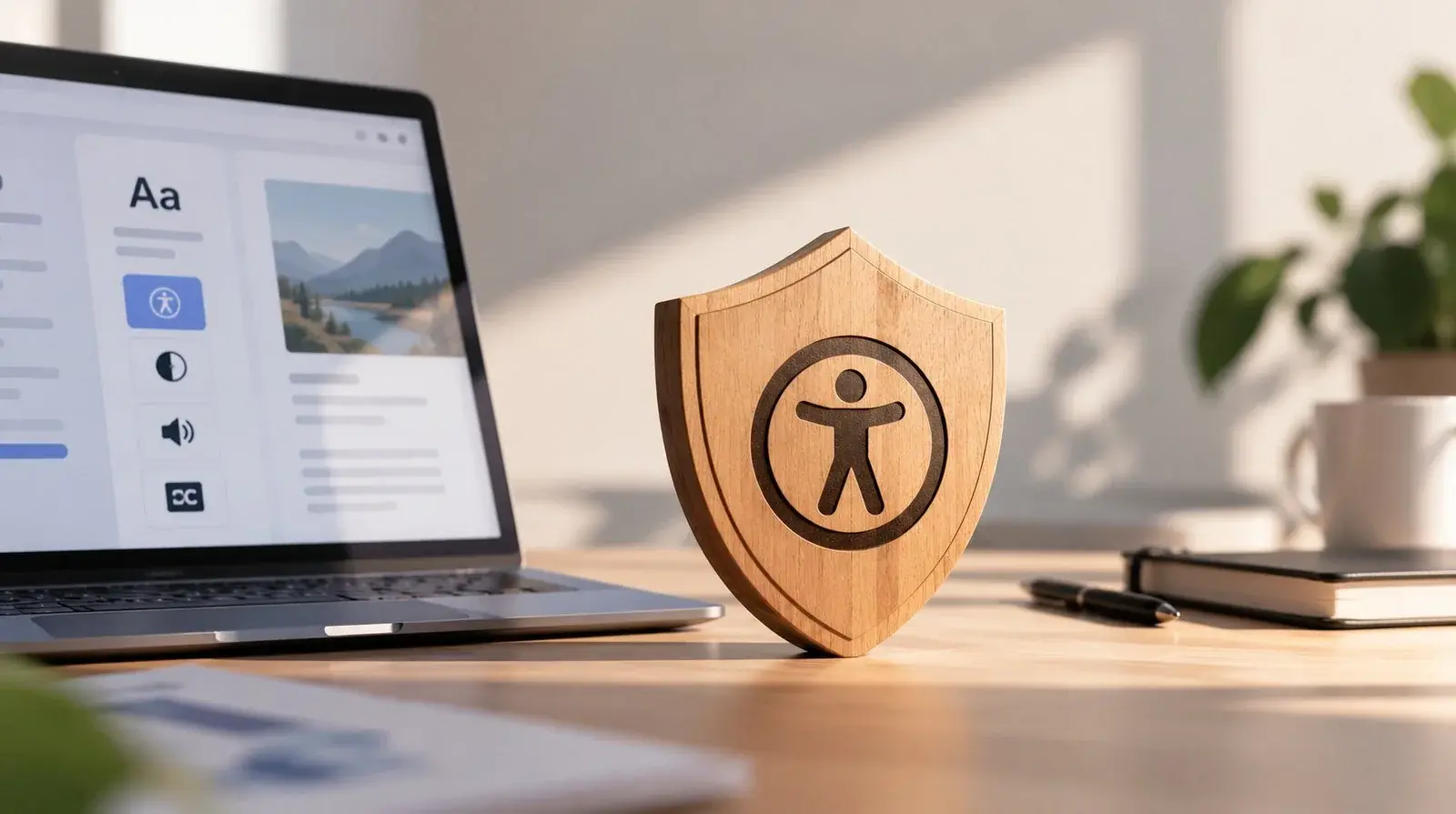
When people plan a new website or app, they tend to talk about design, features and performance. Accessibility too often comes last. At KCS, it was there from the first discussions.
By Jade Perrot
Published on
Updated on
4 min read

This article was written in February 2026. It describes a design project, based on a mock-up: the features it mentions are plans, not features already in service.
When people plan a new website or app, they tend to talk about design, features and performance. Accessibility too often comes last, as a correction, a constraint or an extra.
At KCS (Karma Com Solidarité, a French non-profit that brings volunteers' professional skills to non-profits, businesses and local authorities), it was done the other way round. Or rather, the right way round.
From the first discussions, before a single line of code was written, one idea took hold: this site had to be usable by everyone, without exception. Some organisations are legally required to make their websites accessible. For KCS, the choice was above all about consistency and respect.
A Site Designed for Realities That Often Go Unseen
Accessibility means more than larger text or a page that works with a screen reader. It starts from the fact that people do not all use digital tools in the same way, and that some of them are left out again and again without anyone intending it.
The new version of the KCS website will be designed with very concrete situations in mind:
- Colour-blind people, for whom some contrasts or colour codes make information unreadable.
- People with epilepsy, for whom fast animations or harsh visual effects can be a real danger.
- Partially sighted people, who need navigation that is clear, readable and compatible with assistive technology.
- People with ADHD or hyperactivity, for whom visual clutter or too much information can quickly become an obstacle.
- People with cognitive impairments, who need simple, logical and predictable ways through the site.
The aim was never to build a "special" site. It was to build an ordinary one that shuts no one out.
Protecting the People Who Keep the Organisation Going
Accessibility does not stop at the interface. It also covers the way a non-profit looks after its volunteers.
With that in mind, a "shield" button will be built into the KCS platform. It is a discreet tool, but an essential one, designed for the organisation's internal workings.
Paid work in France is closely regulated. Volunteering needs an explicit framework of its own, and the organisation has to set it.
The button will let each volunteer either:
- identify themselves, or
- make a confidential report. Access will be limited to authorised people, so that each report is handled securely and, where the situation calls for it, can be referred to an outside body.
Not everyone is always in a position to speak openly. And keeping quiet out of fear is never the answer.
Clear, Well-Framed and Responsible Reporting
The situations covered are clearly defined:
- Harassment
- Internal conflict
- Dysfunction
- Other situations that need to be reported
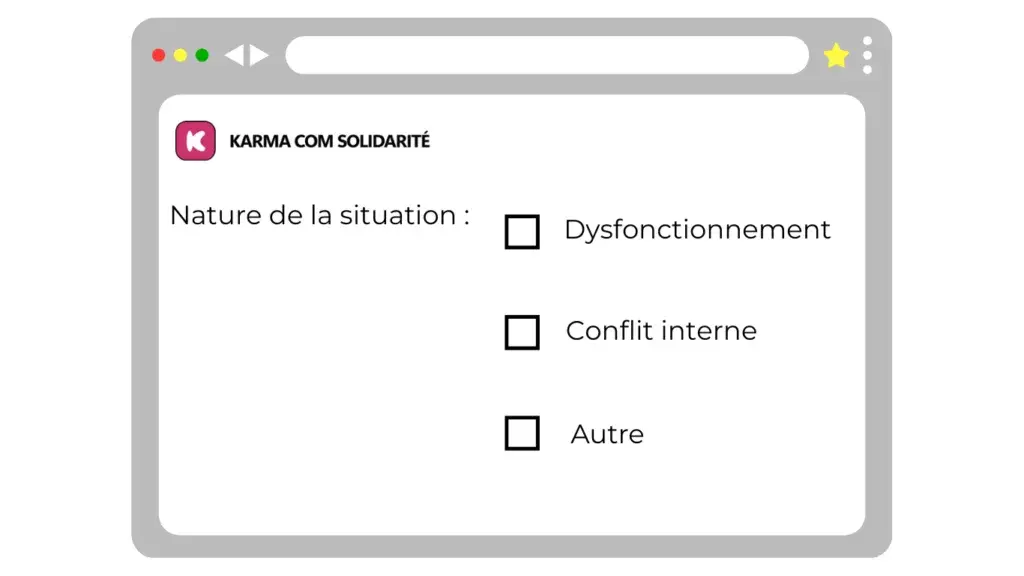
The volunteer will be asked to describe precisely:
- What happened
- When it happened
- Who was involved
They will also be able to attach supporting documents where they have them.
This point is fundamental. In a non-profit as anywhere else, people must be heard, and what they say must also be backed up. Evidence protects everyone involved, guards against unfounded accusations and helps ensure that each situation is handled fairly.
Encouraging detail and supporting documents matters, but a report without documents is never invalid for that reason.
In the same spirit, the volunteer will be able to suggest, when making the report, the solution they think would suit their situation.
Serious, Well-Framed Handling of Each Case
Once a report has been made, it will not vanish into an administrative void. It will be reviewed jointly by the designated contact person or people (the management or someone else).
Together, they will assess what has been sent, establish what the facts amount to and decide whether the organisation has the standing to deal with the matter internally or whether it should be passed on to an outside body.
This step is essential: it provides a legal, ethical and secure framework.
A Clear Message to the Non-profit Sector
This feature is not a small thing. It sends a clear message: volunteers matter, and so does their safety.
It shows that a clear, understandable framework is possible, even with limited resources.
KCS does not claim to have all the answers. But it has made a firm choice: not to look away, and to build practical tools for fairer, healthier and safer ways of working together.
A System Designed to Go Further
These features can help open the way to a safer, more accessible world for everyone. They might also set an example for companies that have the money and the structure to protect their employees more effectively, and in a way those employees can understand.
Protecting volunteers, preventing abuse and building trust should not be privileges reserved for a few organisations.
It is a vision of a non-profit sector that is more responsible, more inclusive and more humane.
Written by Jade Perrot, law student.
Read next
 27 September 2026
Why KCS, Why Now?
Why strengthening our ability to understand, choose and act matters as technological, demographic, environmental and social change accelerates.
 Adel Riame
 29 September 2025
Artificial Intelligence: Challenges, Changes and the Search for Accessible, Responsible AI for Non-profits
Artificial intelligence is changing every sector, and it brings real social and democratic risks. Karma Com Solidarité argues that it is time to imagine an AI grounded in solidarity, transparent and sovereign, that serves the common good.
 Zeineb Zhioua
 23 September 2025
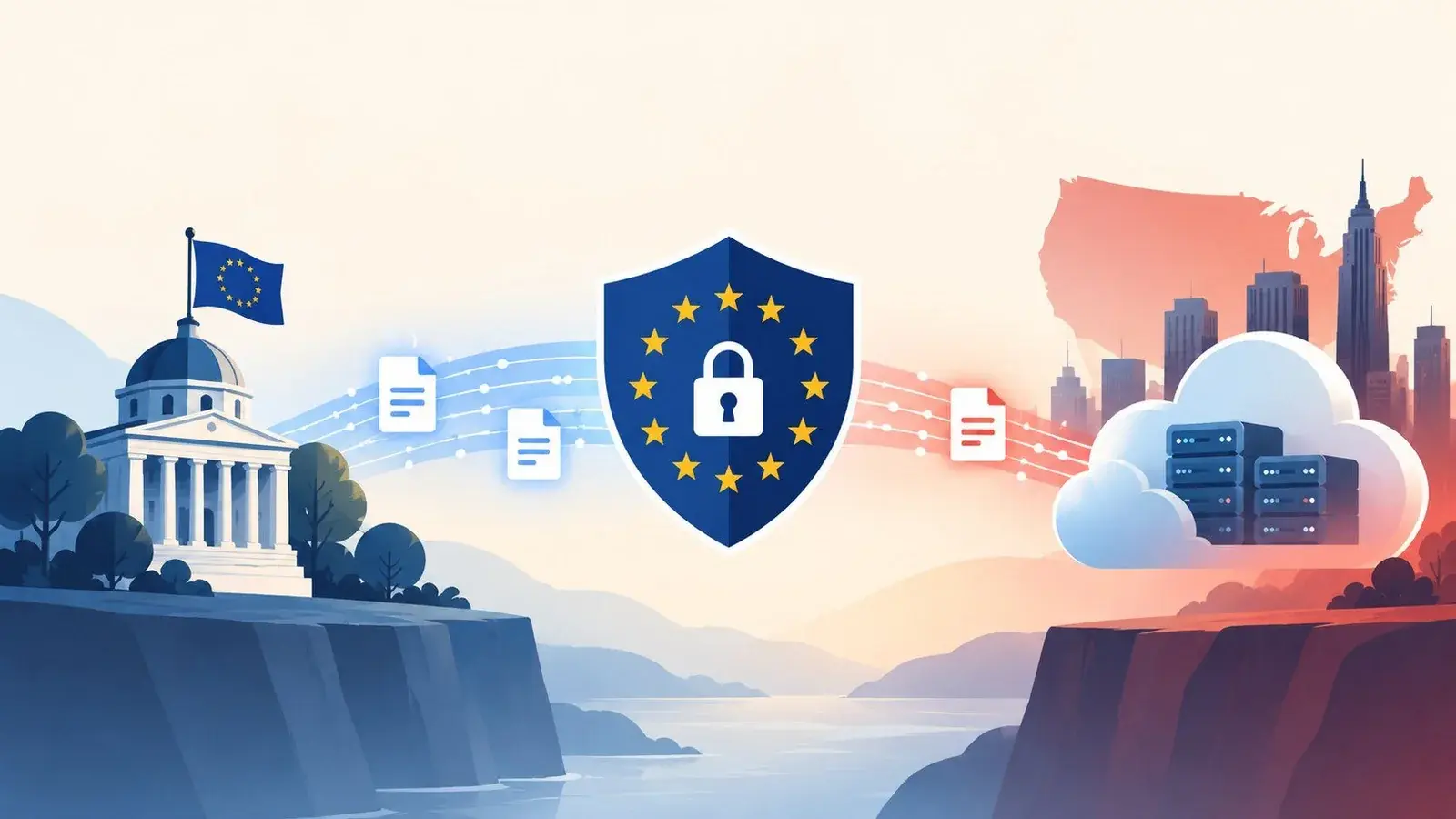
Data Transfers, GDPR Compliance and US Digital Services: What Is at Stake for Public-Interest Organisations?
When a non-profit's data goes through Google, Microsoft or Adobe, is it really protected? An overview of the EU rules on transferring personal data to US providers, and of what they require from public-interest organisations.
Sarah Meillier 21 May 2025
Digital Inclusion: Why Your Content Might Be Excluding Millions of Users
In France, around 7.7 million people report a restriction of activity or a severe functional limitation. This guide sets out the standards for accessible digital content and why they matter.
Adel 16 May 2025
AI in the Non-profit Sector: Between Promise and Essential Questions
On 6 March 2025, KCS attended a meeting on artificial intelligence organised by HEC Volunteers For Good and Tous Bénévoles. Here are the opportunities we noted, and the points we believe non-profits should watch.
 Karma Com Solidarité